
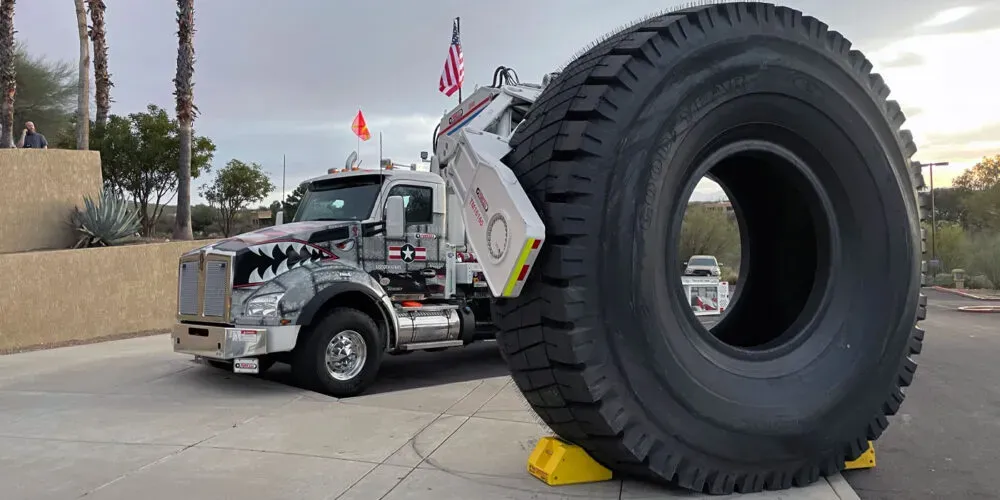
Philippines OTR Tire demand has gained significant attention as infrastructure expansion and industrial activity continue to reshape the country’s transportation and construction landscape. Off-the-road tires are widely used in heavy-duty machinery operating across mining, agriculture, construction, and quarrying environments. As government-backed infrastructure programs accelerate and private construction investments rise, the need for durable and high-performance tires for heavy equipment is becoming increasingly important across the Philippines.
Infrastructure Development Is Increasing Heavy Equipment Usage
Large-scale infrastructure projects across the Philippines have created stronger demand for construction and earthmoving machinery. Road expansion, bridge construction, airport upgrades, and urban transportation projects require heavy-duty equipment capable of operating in demanding environments. This has increased the use of loaders, excavators, graders, dump trucks, and bulldozers, all of which depend heavily on reliable OTR tires for operational efficiency.
The construction sector continues to play an important role in economic development, particularly as public and private investments focus on improving national connectivity and logistics systems. Heavy equipment operators increasingly seek tires that offer improved traction, durability, and resistance to harsh operating conditions. Tire performance has become closely linked to productivity, fuel efficiency, and equipment uptime in major infrastructure activities.
Mining and Industrial Activities Continue Supporting Tire Adoption
Mining operations across the Philippines also contribute significantly to Philippines OTR Tire demand. The country possesses substantial mineral reserves, including nickel, copper, and gold, which require continuous use of heavy mining vehicles and industrial machinery. Equipment operating in mines faces rough terrain, heavy loads, and extended working hours, making tire quality a critical operational factor.
According to a study by MarkNtel Advisors, the Philippines OTR Tire Market is expected to witness notable expansion during the forecast period, supported by rising mining operations, construction activity, and industrial development across the country. Increased investments in transportation infrastructure and equipment modernization are also contributing to wider tire adoption across commercial sectors.
In addition to mining, industrial facilities and ports increasingly rely on heavy machinery for material handling and logistics operations. Demand for specialized tires capable of handling high loads and rough operating conditions is therefore expected to remain steady in the coming years.
Construction and Agriculture Machinery Require Durable Tire Solutions
The agriculture sector remains another important contributor to OTR tire usage in the Philippines. Tractors, harvesters, and other farming equipment frequently operate on uneven surfaces and muddy terrain, creating the need for strong and long-lasting tire solutions. Mechanization in farming activities has gradually increased as agricultural operators seek better efficiency and productivity.
Modern tire technologies are helping equipment operators improve performance while reducing maintenance interruptions. Manufacturers are focusing on enhanced tread designs, heat resistance, and better load-bearing capacity to support equipment working in difficult environments. Growing attention toward heavy equipment mobility solutions and improved construction machinery performance is also influencing tire purchasing decisions across various sectors.
According to the World Bank, infrastructure investment and agricultural modernization remain essential components for improving economic productivity in developing economies, particularly across Southeast Asia.
Regional Construction Expansion Is Creating Long-Term Equipment Demand
Urban development projects across Metro Manila and other regional cities continue to generate strong demand for construction machinery. Industrial zones, commercial buildings, housing developments, and transportation corridors are expanding rapidly in several provinces. These developments increase operational pressure on heavy equipment fleets, further strengthening the requirement for dependable OTR tires.
Government infrastructure initiatives aimed at improving transportation efficiency and regional connectivity are expected to support long-term equipment deployment. Construction contractors increasingly prioritize operational reliability because equipment downtime can delay large projects and increase operational costs. As a result, tire durability and performance have become major considerations across fleet management strategies.
The Philippines also continues to experience rising logistics and warehousing activities due to expanding trade and e-commerce operations. Material handling vehicles used in warehouses, ports, and distribution centers further contribute to the demand for industrial tire solutions.
According to the Asian Development Bank, infrastructure development remains a key factor supporting economic competitiveness and regional integration across Southeast Asian economies.
Supply Chain Challenges and Cost Pressures Remain Key Concerns
Despite positive demand conditions, the Philippines OTR Tire sector also faces several operational challenges. Fluctuating raw material prices, supply chain disruptions, and rising transportation costs can affect tire manufacturing and distribution activities. Rubber price volatility and global logistics constraints may influence overall product pricing and availability.
Import dependency for certain tire categories also creates pricing sensitivity within the local market. Heavy equipment operators often balance performance requirements with cost considerations when selecting replacement tires. In highly competitive sectors such as mining and construction, managing operational expenses remains a critical priority.
Environmental conditions such as rough terrain, extreme heat, and prolonged equipment operation can accelerate tire wear and increase maintenance requirements. This places greater emphasis on product quality, maintenance planning, and operational monitoring across equipment fleets.
According to the International Energy Agency, supply chain resilience and industrial resource management continue to influence operational efficiency across global infrastructure and manufacturing sectors.
Major Companies Continue Expanding Product Availability
Several major tire manufacturers continue to strengthen their presence in the Philippines through wider distribution networks, product diversification, and technological innovation. Companies operating in the sector focus on improving tire durability, fuel efficiency, and operational performance to meet changing customer requirements.
Leading players associated with the Philippines OTR Tire landscape include Bridgestone, Michelin, Goodyear, Yokohama, Continental, and BKT. These companies continue introducing advanced tire solutions designed for mining, agricultural, and construction applications. Product innovation remains important as operators seek solutions that reduce downtime and improve equipment productivity in demanding environments.
Philippines OTR Tire demand is expected to remain closely linked with infrastructure development, industrial activity, and modernization efforts across construction and mining sectors. As equipment deployment expands across transportation, logistics, and agricultural operations, durable tire technologies may continue playing a central role in supporting operational efficiency and long-term industrial productivity throughout the country.