
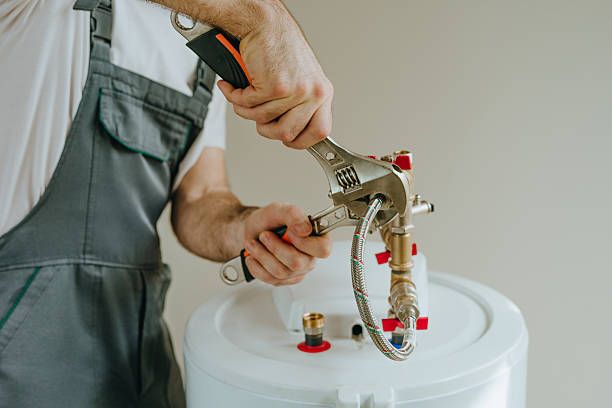
The business of water heater has turned out to be a necessity in the home and business systems in Vietnam. Water heaters supply hot water which is used in everyday activities like bathing, cooking, cleaning and sanitation. As lifestyles evolve and more people adopt modern appliances, the need to have efficient water heating systems has continued to increase both in the domestic and business setting.
In a study published by MarkNtel Advisors, the Vietnam Water Heater Market will grow at an approximate rate of compound annual growth rate (CAGR) of about 9.27% in 2024-2030. This growth is the resultant product of economic growth, development of infrastructure and changing consumer tastes towards modern home appliances.
Growing Urbanization Favoring Market Growth
Among the most influential factors of the water heater market in Vietnam, the urbanization must be mentioned. Population movement phenomenon in rural areas to urban areas has been high in the country over the last ten years. This trend has augmented housing, apartment, and city housing pressure.
The adoption of appliances that enhance comfort and convenience by households continues to increase with the growth of new housing developments. The use of water heaters has become an ordinary practice in houses, especially in urban apartments and residential apartments where people are used to having hot water at their disposal.
Modernization in the design and construction of homes is also promoted by urbanization. Almost all the new residential projects are constructed with plumbing installations that run water heaters, thus influencing the demand on such appliances in newly developed suburbs.
Increasing Middle-Class Revenue and Uptake of Appliances
The growth in the economy of Vietnam has translated to an increase in household incomes. Increased standards of living lead to the increased readiness of consumers to spend money on the household appliances that are beneficial to their daily convenience.
Disposable income is increasing, and this increases the purchasing power of the families to buy items like washing machine, air conditioning systems, and water heaters. The rate of adoption of such appliances is on the rise as more households get into the middle-income bracket.
In the study, statistical information shows that, in 2022, household income per capita in Vietnam increased to around USD 2,409.689 every year, which is higher than USD 2,178.776 per capita in 2021. This gradual increasing income level contributes to consumer expenditure on household appliances that have a long-lasting usage such as water heaters.
Hospitality Industry and Tourism Generating Business Demand
Tourism development is also a factor that has influenced the market of water heaters. The cultural heritage, the beaches and the developing hospitality facilities have made Vietnam an attraction destination of many people around the world.
In 2023, the nation registered about 12.6 million international arrival of tourists, which is very high as compared to 3.7 million international arrivals in 2022. This influx of the tourism sector has stimulated the growth of hotels, resorts, restaurants and hospitality amenities in the nation.
Hotel businesses depend on hot water to provide services to their guests, sanitation, food preparation, and cleaning. This has forced even hotels, restaurants and service facilities to install modern water heating systems that can provide quality and efficient supply of hot water. This is the request of the hospitality industry that has reinforced the commercial part of the market.
Electric Water Heaters Dominating the Product Division
The electric water heaters will be among the top products in the Vietnamese market, among other categories. These systems have common usage because they are user-friendly, simple to install, and can also be compatible with the existing electrical infrastructure.
The growing electricity network in Vietnam enables the households and business entities to use electric water heaters without the complex infrastructure of fuels such as gas pipelines. This renders electric heaters to be appropriate in residential and commercial installations.
The efficiency of the modern electric water heaters in terms of energy has also significantly improved with technological advancements. Sellers are also coming up with systems that are environmentally friendly and have features that make them extremely energy conscious in the sense that they offer efficient heating to consumers, thereby making them more attractive to the ecologically minded consumer.
Business Industry with a large market share
The business segment is already a large market segment in Vietnam in the water heater market. Hot water systems are necessary in businesses in different fields.
Hospitals, hotels, schools, restaurants and entertainment places have constant hot water supply to ensure that hygiene is upheld and the running of these places is smooth. With Vietnam spending on infrastructure development of the healthcare sphere as well as hospitality and commercial construction projects, the use of water heating systems is becoming more widespread.
All this is accompanied with the fact that businesses tend to favor water heaters that are more efficient and durable since they are designed to run throughout the day in businesses. This has increased the importance of the commercial segment of the overall market structure that is driven by the need to have reliable systems.
The Industry Competitors and Landscape
The market of Vietnam Water heaters is characterized by international and regional manufacturers struggling to increase their presence. Product innovation, technological progress, and strategic partnership are the areas that companies pay attention to and enhance their market presence.
Other major enterprises in the market are Rheem Manufacturing Company, A. O. Smith Corporation, Electrolux Vietnam Co. Ltd., Ariston Thermo Group, Rinnai Vietnam Co., Ltd., Noritz Corporation, Ferroli S.P.A, Bosch Thermotechnology, Picenza Vietnam Production And Trading Company Ltd., and Eemax Inc..
The main trends in these companies are usually the growth of product lines, energy saving, and the enhancement of distribution systems in key cities and new ones.
Conclusion
The Vietnamese water heuter market is changing in line with the global economic and urbanization development trends. The rapidization of urbanization, increasing household income, and the development of tourism infrastructure are all contributing to the implementation of the water heating systems in residential and commercial markets.
With the current development of infrastructure projects and the changing lifestyles of consumers, the need to produce effective and energy saving water heating solutions will continue being a significant part of the Vietnamese appliance and building technology industry.