
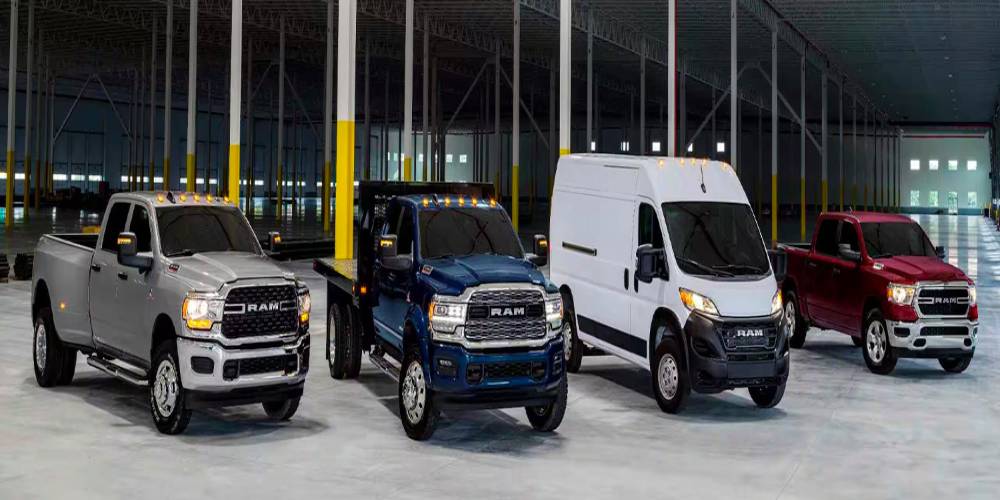
Senegal New Commercial Vehicle Market activity is gaining momentum as transport, logistics, and infrastructure networks continue expanding across the country. Commercial vehicles are becoming increasingly important for freight movement, public transportation, agriculture, and construction-related operations. As Senegal strengthens regional trade connectivity and urban mobility systems, demand for efficient transport fleets is rising steadily. The increasing movement of goods between cities, ports, and industrial zones is also encouraging fleet modernization and wider adoption of light, medium, and heavy commercial vehicles across multiple sectors.
Transport Expansion Is Reshaping Vehicle Demand Across Senegal
Senegal’s transportation ecosystem has evolved significantly in recent years due to investments in roads, logistics corridors, and urban development projects. Commercial vehicles now play a central role in supporting trade distribution, public transit services, and construction activities throughout the country. Expanding infrastructure initiatives around Dakar and other developing urban centers are increasing the need for cargo transport and fleet operations.
The logistics segment has become particularly important as retail distribution and regional commerce continue to expand. Businesses operating in agriculture, mining, and construction increasingly depend on reliable transportation networks to move goods efficiently. This shift is contributing to stronger demand for commercial trucks, buses, and utility vehicles designed for long-distance operations and heavy-duty applications.
Fleet Modernization Is Supporting Senegal New Commercial Vehicle Market Adoption
The Senegal New Commercial Vehicle Market is witnessing stronger adoption as operators seek vehicles with better fuel efficiency, lower maintenance requirements, and improved cargo handling capabilities. According to a study by MarkNtel Advisors, the Senegal New Commercial Vehicle Sector is projected to expand during the forecast period of 2025-2030, supported by increasing logistics activity, public transportation development, and infrastructure investments.
Businesses are gradually replacing older fleets with modern commercial vehicles equipped with advanced safety systems and operational technologies. Demand remains particularly strong for light commercial vehicles used in delivery services and regional transportation. In parallel, medium and heavy commercial vehicles are gaining importance for industrial transportation and construction support activities.
Logistics and Construction Activities Continue Driving Vehicle Applications
The rapid expansion of logistics services has become one of the strongest contributors to commercial vehicle adoption in Senegal. E-commerce activity, regional trade movement, and urban distribution requirements are increasing the need for reliable transport fleets. Construction companies are also investing in heavy commercial vehicles to support infrastructure and industrial projects across the country.
Commercial vehicles are increasingly integrated into freight transportation systems and regional cargo movement operations. Businesses involved in agriculture and mining are also expanding their use of medium and heavy-duty trucks for transporting raw materials and equipment between operational sites and trade hubs.
According to the World Bank, infrastructure development and transport connectivity remain essential for supporting economic expansion and regional trade across African economies.
Urban Mobility and Public Transport Projects Are Expanding Fleet Usage
Urbanization in Senegal is creating stronger demand for organized transportation services, particularly in major cities such as Dakar. Public transportation systems increasingly require buses and commercial passenger vehicles capable of handling larger commuter volumes efficiently. This has encouraged transport operators to invest in newer vehicle fleets that improve reliability and passenger safety.
The development of urban mobility systems is also contributing to rising adoption of commercial fleet management solutions. Fleet operators are focusing more on operational efficiency, route optimization, and lower fuel consumption as transportation demands increase across metropolitan regions.
According to the African Development Bank, transportation infrastructure improvements remain a critical factor in supporting mobility, economic integration, and logistics efficiency throughout Africa.
Cost Pressures and Infrastructure Gaps Continue to Affect Operations
Despite rising demand, several operational challenges continue to affect commercial vehicle adoption in Senegal. High vehicle acquisition costs and fluctuating fuel prices remain major concerns for transport operators and logistics businesses. Import dependency for commercial vehicles and spare parts can also increase operational expenses for fleet owners.
Road infrastructure quality outside major urban areas continues to create logistical difficulties for long-distance freight movement. Maintenance requirements for heavy-duty vehicles operating in difficult road conditions may also increase operational downtime and repair costs. In addition, access to financing remains limited for smaller transport operators seeking fleet expansion opportunities.
According to the United Nations Industrial Development Organization, transport efficiency and infrastructure modernization are closely linked to industrial productivity and long-term economic development in emerging economies.
Manufacturers Continue Strengthening Their Presence Across Senegal
Several international automotive brands are expanding their commercial vehicle presence in Senegal through dealership networks and distribution partnerships. Companies including Peugeot Senegal, Toyota Senegal, and Renault Trucks Senegal continue focusing on fleet solutions designed for logistics, passenger transportation, and industrial applications.
Manufacturers are increasingly introducing vehicles with improved fuel efficiency, enhanced cargo capacity, and better durability for African operating environments. Diesel-powered commercial vehicles continue dominating the sector, although interest in alternative fuel and electric commercial vehicles may gradually increase as sustainability discussions expand across regional transportation networks.
As Senegal continues strengthening its logistics infrastructure and urban mobility systems, commercial vehicle adoption is expected to remain closely connected with construction expansion, freight transportation requirements, and regional trade development. The continued modernization of transport operations may further influence how businesses and public transportation providers invest in fleet capabilities during the coming years.